
Pelvic Floor Therapy vs. Surgery: Which is Right for You?

Pelvic Floor Therapy vs. Surgery: Which is Right for You?
Incontinence affects millions worldwide, diminishing quality of life, independence, and confidence. When conservative supports fail, the decision between pelvic floor therapy and surgery becomes critical. Knowing the facts can help you make the best, most informed choice for your health and lifestyle.
Understanding Urinary Incontinence
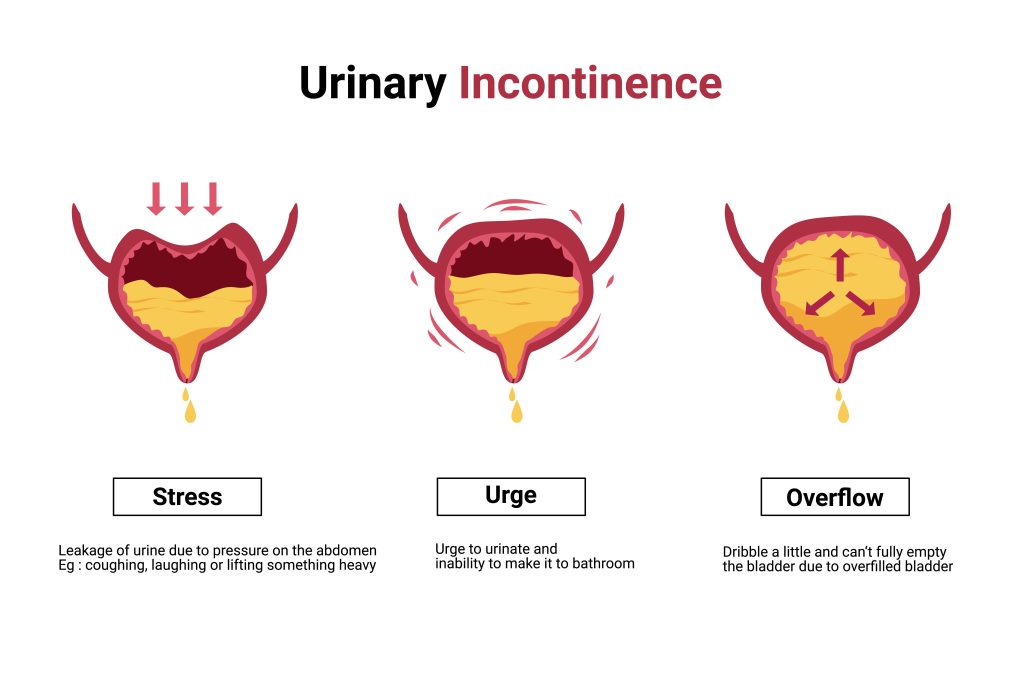
Urinary incontinence refers to the involuntary leakage of urine, caused by weakened pelvic muscles, nerve dysfunction, or bladder instability. The condition is more common among women, especially after childbirth, menopause, or surgery. The stigma around incontinence still prevents many from seeking care, as reported by Channel NewsAsia. Understanding the different types of incontinence can help demystify the condition and guide better management decisions.
The most common types of urinary incontinence are:
- Stress incontinence: Leakage triggered by pressure on the bladder (e.g. laughing, sneezing).
- Urge incontinence: Strong, sudden need to urinate due to overactive bladder muscles.
- Mixed incontinence: Combination of stress and urge incontinence.
Pelvic Floor Therapy: A Non-Invasive First-Line Solution
Pelvic floor therapy is a non-surgical, evidence-based approach that aims to retrain and strengthen the pelvic muscles supporting the bladder, uterus, and rectum. This therapy has gained widespread popularity as the first step in managing incontinence.
1. Approach with the Emsella Chair
Pelvic floor therapy can be administered using the Emsella Therapy Chair, an FDA-cleared medical device that uses High-Intensity Focused Electromagnetic (HIFEM) technology. In a single session, patients experience the equivalent of 11,000 Kegel exercises, effectively engaging the core and pelvic floor muscles—all while sitting fully clothed.
Benefits of the Emsella Chair
- Completely non-invasive and pain-free
- No need to undress or insert devices
- Suitable for both men and women
- Can be used by individuals who are postpartum, perimenopausal, or elderly
- Demonstrated improvement in bladder control and muscle tone
2. Other Techniques Used in Pelvic Floor Therapy
- Kegel exercises: Voluntary contractions of pelvic floor muscles.
- Biofeedback: Helps patients identify the correct muscles to contract.
- Electrical stimulation: Gently stimulates nerves and muscles to improve control.
- Manual therapy: To release tension and realign pelvic structures.
- Functional floor exercises: Designed to strengthen coordination between pelvic floor and abdominal core
Surgical Interventions for Incontinence
When conservative therapies like pelvic floor therapy aren’t sufficient, surgery may be considered, particularly in severe or complex cases. Surgical options aim to support the bladder or urethra, often using synthetic materials or repositioning techniques.
Common Types of Surgery
- Mid-urethral sling: A mesh tape is placed under the urethra to prevent leakage.
- Colposuspension: Stitches lift the bladder neck and stabilise the urethra.
- Artificial urinary sphincter: A device that compresses the urethra and is manually controlled.
- Bladder augmentation: Increases bladder capacity using part of the bowel.
Comparing Outcomes: Pelvic Floor Therapy vs. Surgery
Effectiveness
According to the Cochrane Library, pelvic floor muscle training is highly effective for stress and mixed incontinence, especially when performed under professional guidance. Therapy improves symptoms in up to 70% of women.
Surgical solutions typically offer higher success in severe cases but may carry greater risks and longer recovery times. Mesh-related complications have sparked global controversy and led to regulation.
Risks and Recovery
| Factor | Pelvic Floor Therapy | Surgery |
| Invasiveness | Non-invasive | Invasive |
| Downtime | None | 2–6 weeks |
| Pain/Discomfort | Minimal to none | Postoperative pain common |
| Complications | Rare | Infection, bleeding, mesh erosion |
| Long-term effectiveness | Sustainable with regular maintenance | May require revision or removal |
Cost Considerations in Singapore
Incontinence surgeries may be partially covered by Medisave or insurance, but they involve hospitalisation, follow-ups, and potential complications. In contrast, pelvic floor therapy with the Emsella Chair is more affordable, tailored to each patient’s needs.
Why Pelvic Floor Therapy Should Be Your First Step
Pelvic floor therapy offers:
- Natural muscle retraining
- No foreign implants or devices
- Can be safely repeated and maintained long-term
- Backed by clinical evidence and preferred by leading healthcare providers
Choose Smart, Start with Therapy
If you are experiencing any form of urinary leakage, pelvic floor therapy with the Emsella Chair should be your first option. It is safe, effective, and can help restore control without resorting to surgery.
Reserve surgical options only when necessary and always consult a qualified specialist to evaluate your personal condition and therapy roadmap. At Orchard Clinic, therapies are supervised by trained female therapists, ensuring privacy, comfort, and clinical accuracy. With their multi-modal approach, results are faster, safer, and longer-lasting.
Book An Appointment
Latest Articles



Parkway Parade
| Tue, Fri & Sat | 9:00AM – 6:00PM |
| Mon, Wed, Thu, Sun & PH | Closed |
Orchard
| Mon, Fri & Sat | 9:00AM – 6:00PM |
| Tue, Wed & Thu | 9:00AM – 8:00PM |
| Sun & PH | Closed |
Copyright © 2025 Orchard Clinic. All Rights Reserved. Privacy Policy