
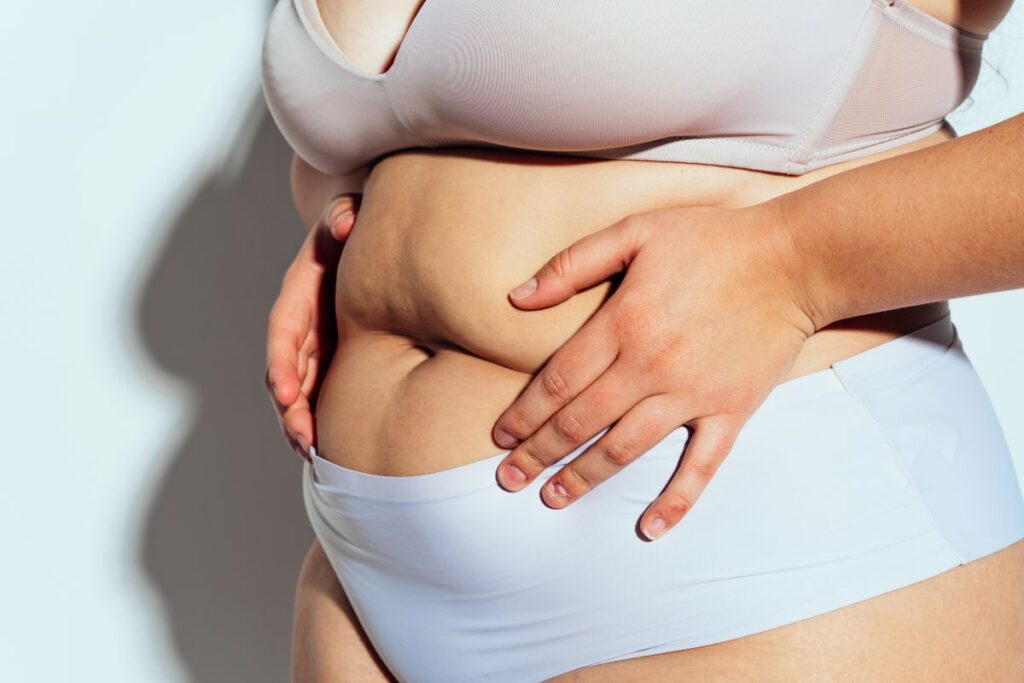
Your Postpartum Belly Isn’t Always About Weight: 5 Reasons Your Stomach Still Looks Pregnant — And What You Can Do About It
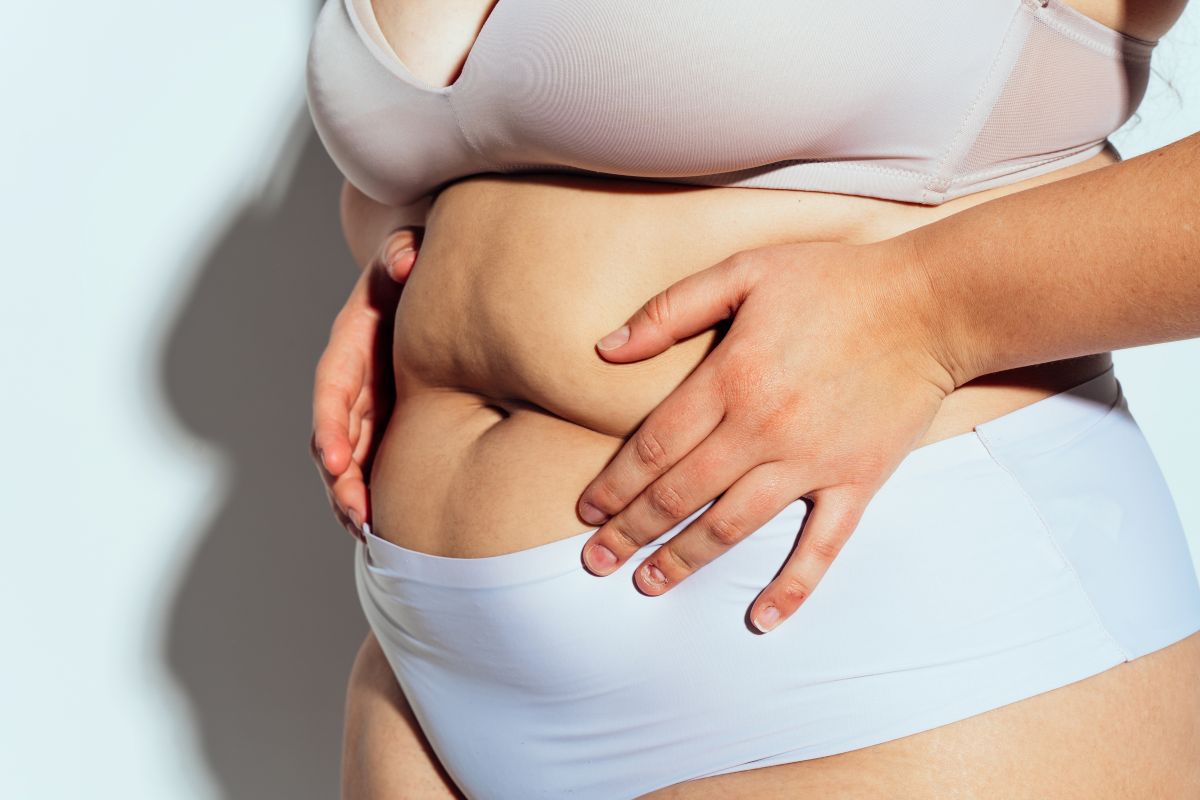
You’ve lost some of the baby weight. You’re eating better. Maybe you’ve even started exercising again.
But your stomach still looks… pregnant.
If you’ve ever looked in the mirror and wondered, “Why do I still have a tummy when I’ve already lost the weight?”, you’re not alone.
The answer isn’t always that you need to lose more weight.
Pregnancy can change your abdominal muscles, connective tissues, posture and core strength. For some women, these changes gradually improve. For others, the familiar postpartum “pooch” can remain for months or even years.
And while diastasis recti can be one reason, it isn’t the only one.
Here are five possible reasons your stomach still looks pregnant — and what you can do about them.
1. Your abdominal muscles may have separated
During pregnancy, your growing uterus puts increasing pressure on the abdominal wall. This can cause the two sides of the abdominal muscles to separate along the midline, a condition known as diastasis recti.
One of the most noticeable signs can be a persistent bulge around your belly button or a ridge that appears when you sit up or tighten your abdominal muscles.
You may also notice:
- A soft or weak feeling around your stomach
- “Doming” or “coning” when exercising
- Difficulty engaging your core
- Lower back discomfort
What can you do?
Don’t immediately jump into intense abdominal workouts.
If you suspect diastasis recti, an assessment can help determine whether abdominal separation is actually contributing to your tummy and how your core is functioning.
The good news? It isn’t necessarily too late to do something about it. Even women who are years past childbirth can work on improving core strength and function.
Learn more about diastasis recti →
2. Your core may still be weak
Even without significant diastasis recti, your core may not have fully regained its strength and coordination after pregnancy.
Your core isn’t just your “six-pack”. Your abdominal muscles, diaphragm, back and pelvic floor work together as a cohesive system to support your body and manage pressure when you breathe, lift, exercise and move.
If that body system isn’t working efficiently, your abdomen may naturally find ways to compensate and this results in the belly being pushed outward.
What can you do?
Start with progressive core strengthening, rather than trying to do as many crunches or sit-ups as possible.
Focus on exercises that help you control your breathing, engage your core and gradually build strength.
And pay attention to how your abdomen responds. If you notice significant bulging or doming during an exercise, it’s worth getting professional advice before simply pushing harder.
3. Your posture may be making your tummy look more prominent
This one is easy to overlook.
After months of pregnancy, your centre of gravity changes. Then comes feeding, carrying, rocking and bending over your baby.
Before long, you may develop habits such as rounding your shoulders, pelvic tilts or standing with an exaggerated curve through your lower back.
That can change the position of your pelvis and make your abdomen appear more prominent — even when your actual body composition hasn’t changed much.
What can you do?
Don’t obsess over the aesthetics like “perfect posture”.
Instead, pay attention to how you stand, sit and carry your baby and your body throughout the day.
Strengthening your core, improving overall body strength and becoming more aware of your movement patterns can help you regain better control and alignment.
4. Your skin and abdominal tissues have changed
Sometimes, the reason your tummy looks different has nothing to do with your weight or abdominal muscles.
Your skin and connective tissues have spent months stretching to accommodate your growing baby. After delivery, your uterus gradually returns towards its pre-pregnancy size, but your skin and abdominal tissues may not completely return to how they looked before.
You may notice:
- Looser or less firm skin
- Stretch marks
- A softer lower abdomen
- A small overhang around a C-section scar
Your skin and connective tissues have spent months stretching to accommodate your growing baby. After delivery, your uterus gradually returns towards its pre-pregnancy size, but your skin and abdominal tissues may not completely return to how they looked before.
What can you do?
Give your skin time — and be realistic about what creams can and can’t do.
Most stretch marks gradually fade and become less noticeable after pregnancy, although they may not disappear completely. Unfortunately, there is no cream proven to completely remove stretch marks or reliably tighten loose skin.
However, if stretch marks are bothering you, there are a few options worth knowing about:
Hyaluronic acid: Some studies suggest topical hyaluronic acid may make early stretch marks less noticeable. It is also a good moisturising ingredient that can help keep skin hydrated.
Retinoids such as tretinoin: Prescription tretinoin has shown some benefit in improving the appearance of newer stretch marks, particularly when they are still red or purple rather than older, pale marks.
Centella asiatica: Some studies have found potential benefits from Centella-containing creams, although the overall evidence is still limited and not strong enough to say they will prevent or remove stretch marks.
What about the popular remedies?
Cocoa butter, olive oil and vitamin E creams are commonly recommended, but the evidence is not convincing that they can prevent or significantly reduce stretch marks.
If you’re breastfeeding, pregnant again or planning another pregnancy, speak with your doctor before using a retinoid such as tretinoin. Tretinoin should not be applied to the nipple or areola, and the treated skin should not come into direct contact with your baby.
Most importantly, remember that creams can only address the skin. If the underlying issue is abdominal muscle separation or poor core function, a skincare product won’t fix it.
That’s why it’s worth working out whether you’re dealing mainly with skin changes, body composition, diastasis recti, core weakness — or a combination of these.
5. Bloating or constipation could be contributing

Your postpartum belly may also be partly due to what is happening inside your digestive system.
Bloating and constipation can temporarily make your abdomen look much more pronounced.
A useful clue is whether your stomach changes significantly throughout the day — for example, relatively flat in the morning but noticeably more distended by evening.
What can you do?
Pay attention to your:
- Fibre intake
- Water intake
- Physical activity
- Bowel habits
- Foods that seem to trigger bloating
If bloating or constipation is persistent, painful or accompanied by other concerning symptoms, speak with your doctor rather than assuming it is simply part of postpartum recovery.
So, what is causing your postpartum belly?
This is where it gets tricky.
It may not be just one thing.
You could have some combination of:
Diastasis recti + core weakness + changes in body fat + loose skin + posture.
That’s why simply looking at your stomach in the mirror — or stepping on the weighing scale — doesn’t tell you the full story.
And it is also why one woman’s solution may not work for another.
The first step is understanding what is actually contributing to your abdominal changes.
What if you’ve already tried diet and exercise?
This is a common frustration.
You may have lost weight, started exercising and done countless abdominal exercises — yet that stubborn tummy is still there. If that’s you, don’t automatically assume you need to work harder.
Consider whether there may be an underlying issue such as diastasis recti or reduced core function.
If you also experience:
- Abdominal doming or bulging
- Core weakness
- Lower back discomfort
- Difficulty returning to exercise
- Urinary leakage
- A feeling of pelvic heaviness
…it may be worth having your postpartum recovery assessed more comprehensively.
Postpartum recovery does not necessarily end at the six-week check. Being medically cleared to resume normal activities does not mean every part of your body has fully regained its previous strength and function.
You don’t need to “bounce back”
Your body has changed because you grew and gave birth to a baby. That doesn’t mean you have to accept discomfort, weakness or a lack of confidence in your body.
But it also doesn’t mean the answer is simply eat less and exercise more.
If your postpartum belly is bothering you, start by understanding why it is there.
Sometimes it is body fat. Sometimes it is loose skin. Sometimes it is bloating.
And sometimes, there is more going on — such as diastasis recti or weakened core muscles — that can be assessed and managed.
You don’t need to punish your body to get stronger. You need to understand it.
At Orchard Clinic, we assess postpartum concerns such as diastasis recti and core weakness and can help you understand the options available based on your individual needs.
If your tummy still looks pregnant months after giving birth, don’t just assume you need to lose more weight. Find out what’s really going on.
Learn more about postpartum recovery at Orchard Clinic →
At Orchard Clinic, we believe every mother’s recovery journey deserves personalised care and evidence-based support. That’s why we combine comprehensive assessments with tailored treatment plans, using advanced technologies such as EMSELLA® (for managing urinary leakages), EMBODY® (for core strengthening and post pregnancy tummy), Exilis (for vaginal rejuvenation) and PELVA (assisted Kegel Technology, only one in Singapore), we have supported more than 4,500 women on their postpartum journeys. Our experienced team focuses on helping you rebuild pelvic floor strength, improve core function, and regain confidence, so you don’t have to navigate recovery on your own.
Book An Appointment
Latest Articles
Parkway Parade
| Tue, Fri & Sat | 9:00AM – 6:00PM |
| Mon, Wed, Thu, Sun & PH | Closed |
Orchard
| Mon, Fri & Sat | 9:00AM – 6:00PM |
| Tue, Wed & Thu | 9:00AM – 8:00PM |
| Sun & PH | Closed |
Copyright © 2025 Orchard Clinic. All Rights Reserved. Privacy Policy