

Why the 6-Week Check Isn’t the End of Your Postpartum Recovery

For most mothers, the six-week postpartum appointment is circled on the calendar as the ultimate finish line. It is the day you expect to get the definitive “green light” to return to your regular life, your pre-pregnancy workouts, and your normal routine.
However, there is a substantial gap between being medically cleared and being structurally restored.
What if we told you the truth is that postpartum recovery doesn’t end at six weeks?
What the 6-Week Check Is Actually Designed to Do
The standard six-week check-up is primarily designed to ensure your uterus has contracted and your incisions are healing.
The postpartum check-up serves several important purposes:
- Assessing healing after vaginal or Caesarean birth
- Reviewing postpartum bleeding and pain
- Screening for postpartum depression and anxiety
- Discussing contraception and family planning
- Addressing immediate concerns and complications
These assessments are valuable. However, one common misconception is that being “cleared” at six weeks means your body has fully recovered.
This is a myth.
Medical clearance generally means there are no major concerns preventing you from gradually returning to normal activities. It does not necessarily mean that your pelvic floor, abdominal muscles, hormone levels, sleep patterns, or energy reserves have fully recovered.
In fact, many aspects of recovery are only beginning to reveal themselves at this stage.
What Actually Happens at the 6-Weeks Mark
1. Pelvic Floor Weakness
The muscles that support your bladder, bowel, and pelvic organs may still be recovering from the strain of pregnancy and childbirth, leading to feelings of weakness, heaviness, or reduced control.
2. Urinary Leakage when Coughing, Sneezing, or Exercising
Many women notice small amounts of urine leakage during everyday movements as the pelvic floor continues to regain strength and coordination.
3. Core Weakness and Abdominal Separation (Diastasis Recti)
The abdominal muscles often remain stretched and weakened after pregnancy, which can affect posture, stability, and overall core function.
4. Fatigue and Sleep Deprivation
Even when healing appears complete on the surface, scar tissue may remain tender, tight, numb, or uncomfortable for several months.
5. Enhance Intimate Sensation and Lubrication
Frequent night wakings, physical recovery, and the demands of caring for a newborn can leave many mothers feeling persistently exhausted.
6. Emotional Ups and Downs As Hormones Continue to Shift
Fluctuating hormone levels, combined with major lifestyle changes and lack of sleep, can contribute to mood swings, irritability, or periods of emotional overwhelm.
Many women assume that leaking urine, pelvic heaviness, or persistent discomfort are simply part of motherhood. In reality, these symptoms often improve significantly when identified and managed appropriately. 6 weeks is an important milestone, but it is not the endpoint.
The 6 Months Postpartum Reality Check
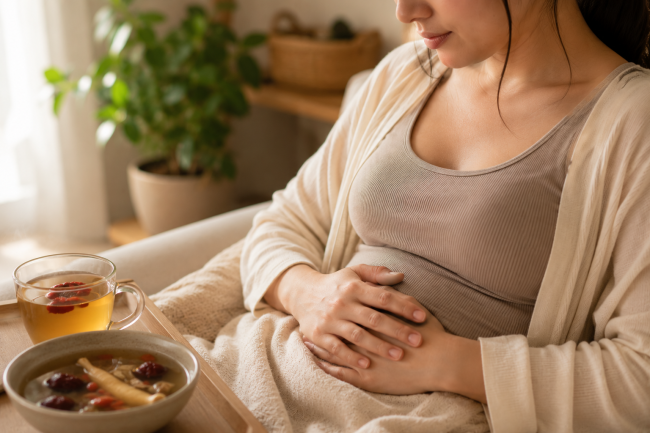
By 6 months, most women are back in the rhythm of daily life. Sleep might be improving. Some have returned to exercise. On the surface, things look fine.. most women may assume that life has returned to normal. Yet the truth is many women are still dealing with ongoing recovery challenges.
Myth: “If these symptoms haven’t gone away by now, I’ll just have to live with them.”
This is another common misconception.
Recovery does not operate on a fixed timeline.
A growing body of research recognizes that postpartum recovery extends far beyond the traditional six-week framework. The American College of Obstetricians and Gynecologists has advocated for postpartum care to be viewed as an ongoing process rather than a single visit.
At one year postpartum, women may still experience:
- Pelvic floor symptoms
- Core weakness
- Persistent musculoskeletal pain
- Hormonal fluctuations, particularly if breastfeeding
- Changes in sexual health
- Ongoing emotional adjustment to motherhood
The idea of “bouncing back” is largely a cultural expectation, not a medical reality.
Pregnancy and childbirth create profound changes throughout the body. Recovery is not about returning to a previous version of yourself on a predetermined timeline.
How Targeted Postpartum Therapies Can Help
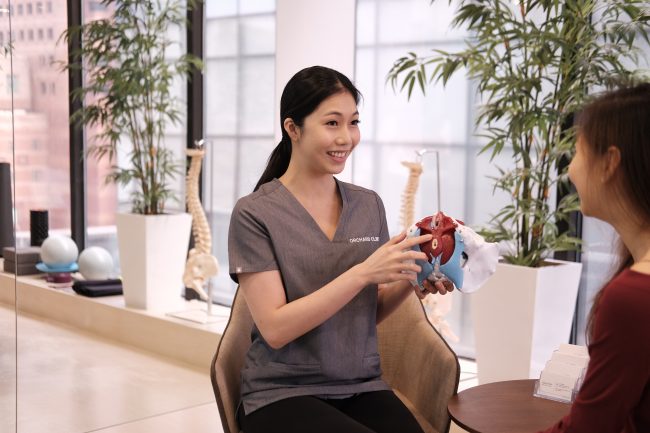
Postpartum recovery is not one-size-fits-all. Depending on your symptoms and recovery goals, different treatments may be recommended to address specific concerns that can persist beyond the early postpartum period.
For Pelvic Floor Weakness and Urinary Leakage
If you’re experiencing urinary leakage when coughing, sneezing, exercising, or lifting your baby, strengthening the pelvic floor muscles is often an important part of recovery.
Our Emsella therapy uses high-intensity electromagnetic energy to stimulate thousands of pelvic floor muscle contractions during a single session, helping to improve muscle strength and support.
Before treatment, a Pelva Machine assessment can also help to evaluate pelvic floor function and identify areas of weakness, allowing care to be tailored to your individual needs.
For Core Weakness and Abdominal Recovery
Pregnancy places significant demands on the abdominal muscles, and many women continue to experience reduced core strength months after giving birth.
Our signature Embody (Abdomen) therapy helps stimulate and strengthen abdominal muscles through advanced muscle-conditioning technology, supporting women who are rebuilding strength after pregnancy and working towards better core stability.
For Glute Weakness, Posture, and Lower Back Support
Changes in posture, muscle activation, and movement patterns during pregnancy can contribute to ongoing hip, pelvic, and lower back discomfort.
Our Embody (Glutes) therapy helps strengthen and activate the gluteal muscles, which play an important role in pelvic stability, posture, and overall movement.
For Skin Laxity and Tissue Recovery
Some women continue to experience abdominal fullness, bloating, or concerns about tissue laxity long after childbirth.
Ultrawave therapies and radiofrequnecy (RF) therapies such as our Exilis therapy are designed to support connective tissue regeneration while helping to target stubborn fat deposits. The radiofrequency (RF) energy specifically targets connective tissue by heating collagen fibers, causing them to contract and stimulating the body to build new, tighter collagen. By promoting tissue remodelling, it may help also improve abdominal contour and support overall recovery goals.
For Stubborn Fat Deposits That Remain After Pregnancy
Even with regular exercise and a healthy lifestyle, some women find that certain pockets of fat remain resistant to change after childbirth.
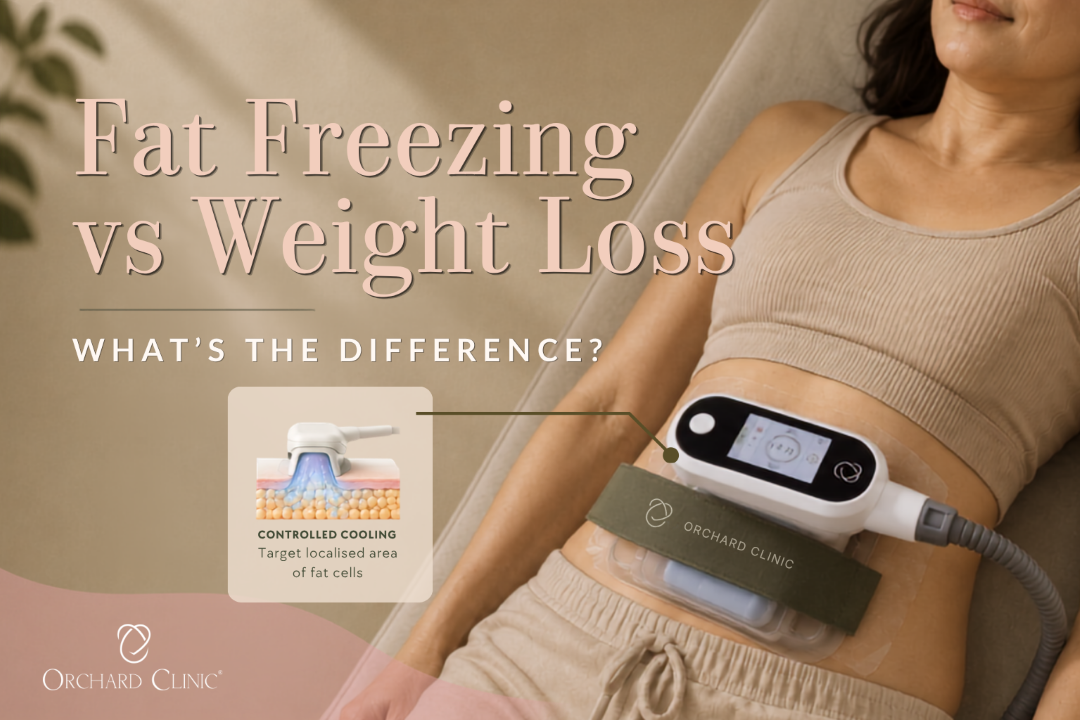
Fat Freeze offers targeted fat reduction by addressing localised fat deposits that may persist despite diet and exercise efforts.
Recovery Is About More Than Aesthetics
While many women initially seek treatment because of concerns such as abdominal changes or persistent weight gain, postpartum recovery is ultimately about restoring strength, function, comfort, and confidence.
Whether your goal is improving bladder control, rebuilding core strength, reducing discomfort, or feeling more like yourself again, the right combination of assessment, rehabilitation, and supportive treatments can help you move forward with greater confidence in your recovery journey.
Book An Appointment
Latest Articles


Parkway Parade
| Tue, Fri & Sat | 9:00AM – 6:00PM |
| Mon, Wed, Thu, Sun & PH | Closed |
Orchard
| Mon, Fri & Sat | 9:00AM – 6:00PM |
| Tue, Wed & Thu | 9:00AM – 8:00PM |
| Sun & PH | Closed |
Copyright © 2025 Orchard Clinic. All Rights Reserved. Privacy Policy