
6 Bladder Leak Tips: Laughing, Coughing & Sneezing Accidents

Bladder leaks when laughing, coughing, or sneezing—common symptoms of stress urinary incontinence (SUI)—can be embarrassing and disruptive. But there’s good news: they’re often manageable without surgery. This guide explores proven, non-surgical procedures, particularly the cutting-edge Emsella therapy, to help you regain confidence, manage leaky bladder, and laugh freely again.
What Is Stress Urinary Incontinence?
Stress urinary incontinence occurs when sudden pressure on the bladder, like during a sneeze or hearty laugh, overwhelms weak pelvic floor muscles. Underlying causes include childbirth, menopause, ageing, pelvic organ prolapse, or pelvic trauma. As leaks often occur due to pressure, rather than illness, many effective, non-invasive options can help restore control.
A recent CNA segment underscored the importance of addressing symptoms early, as many women delay seeking support.
Non‑Surgical Prevention Strategies
- Pelvic Floor Physical Therapy
Emsella is a FDA-approved, non-invasive chair that uses high-intensity focused electromagnetic (HIFEM) pulses to induce thousands of pelvic floor contractions during a single 28–30‑minute session. That’s equivalent to 11,000 Kegel exercises without the effort.
- Most patients begin noticing improvement after just 2–3 sessions
- Eight to ten sessions over 3–4 weeks offer optimal results
- Clinical data reports up to 95% symptom improvement, with significant reduction in pad use
- Safe and comfortable—no downtime or internal probes
- The “Knack” Technique
Combine Emsella with a simple yet powerful habit: tighten pelvic muscles just before sneezing, coughing, or laughing. This proactive “Knack” technique manoeuvre offers immediate, leak-preventing control, no timer needed.
- Bladder Training & Fluid Management
- Scheduled voiding: Aim to pee every 2–3 hours to prevent sudden urges
- Moderate fluid intake: Don’t drink too little (can irritate bladder) or too much
- Avoid bladder irritants: Caffeine, spicy foods, and alcohol can worsen leaks
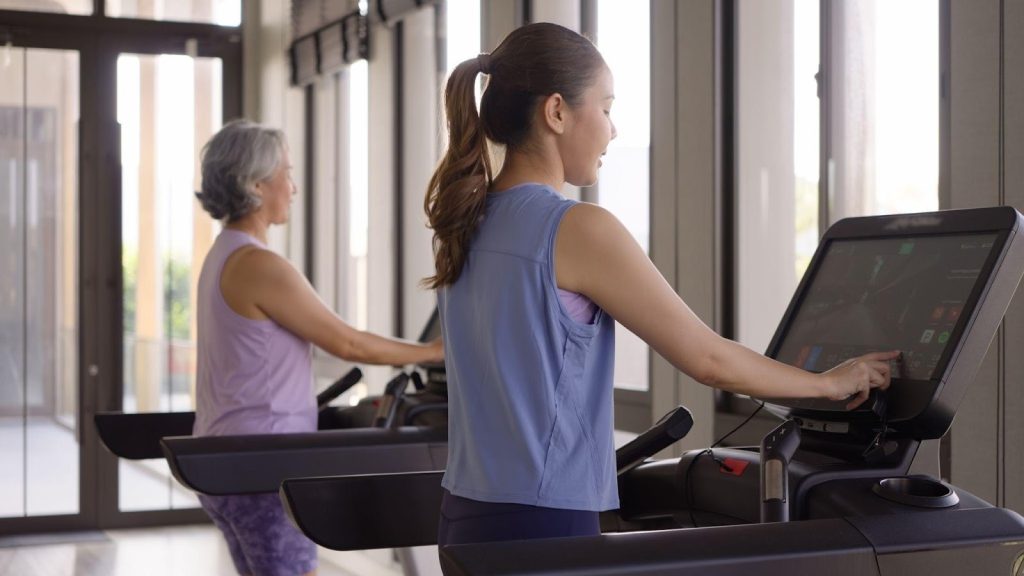
Lifestyle Adjustments for Long-Term Control
- Weight & Core Health
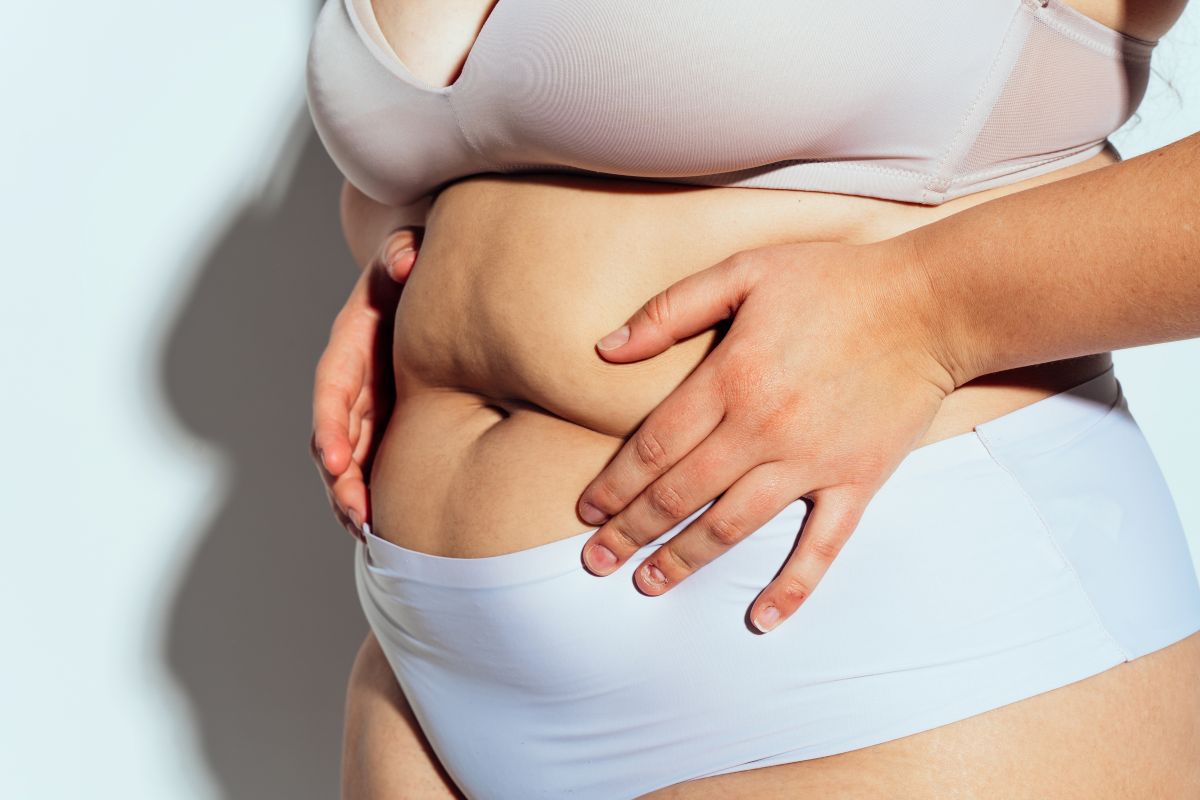
Excess abdominal weight adds pressure to the bladder. Maintaining a healthy body weight reduces strain on pelvic muscles and supports leak prevention.
- Quit Smoking & Prevent Constipation
Smoking irritates the bladder, and bronchial coughs worsen SUI. Quitting smoking and keeping the bowel regular helps maintain pelvic integrity.
- Avoid Heavy Lifting & Straining
Minimise activities that spike abdominal pressure, like heavy lifting or straining, to protect weakened pelvic floor support and lower the risk of bladder leaks.
Confident Choices, Proven Control
You don’t have to settle for leaks or anxiety when laughing, sneezing, or coughing. Here’s your action roadmap:
- Practice the Knack technique when you feel pressure coming
- Use bladder training, manage fluids, and avoid irritants
- Maintain a healthy weight, quit smoking, and prevent constipation
- Avoid heavy lifting and physical strain
- Consult Orchard Clinic’s experts early for tailored guidance and pelvic therapy.
Early assessment helps catch early-stage SUI. With these strategies, especially with non-surgical therapy, you can regain bladder control, prevent leaks, and enjoy life uninterrupted. Ready to manage leaks and laugh without worry? Start your journey with Orchard Clinic—book a pelvic therapy consultation today.
Book An Appointment
Latest Articles


Parkway Parade
| Tue, Fri & Sat | 9:00AM – 6:00PM |
| Mon, Wed, Thu, Sun & PH | Closed |
Orchard
| Mon, Fri & Sat | 9:00AM – 6:00PM |
| Tue, Wed & Thu | 9:00AM – 8:00PM |
| Sun & PH | Closed |
Copyright © 2025 Orchard Clinic. All Rights Reserved. Privacy Policy