

5 Signs You May Have Diastasis Recti After Pregnancy (And What to Do Next)
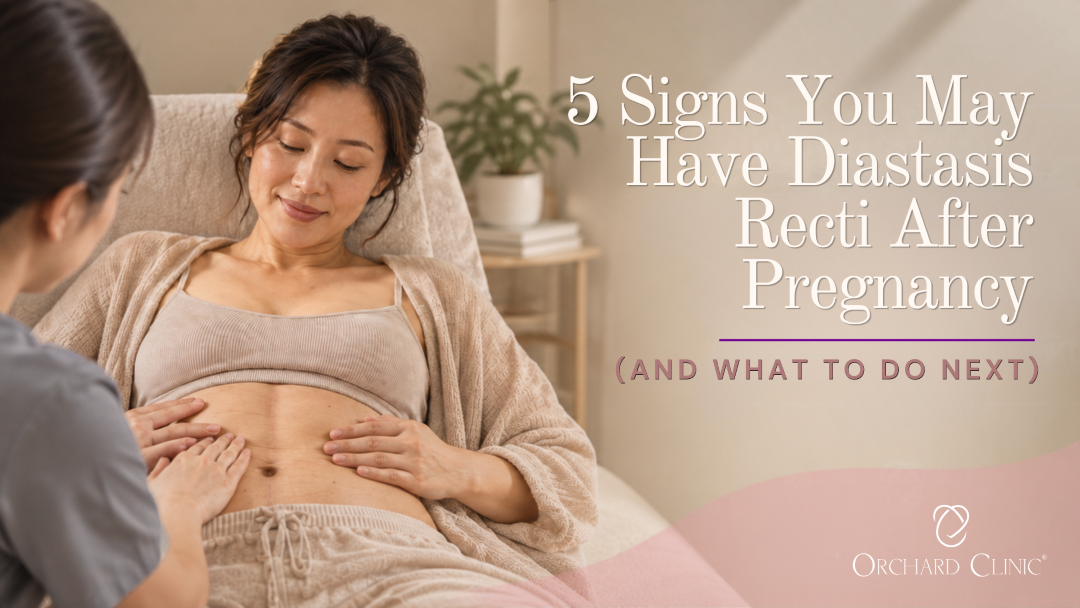
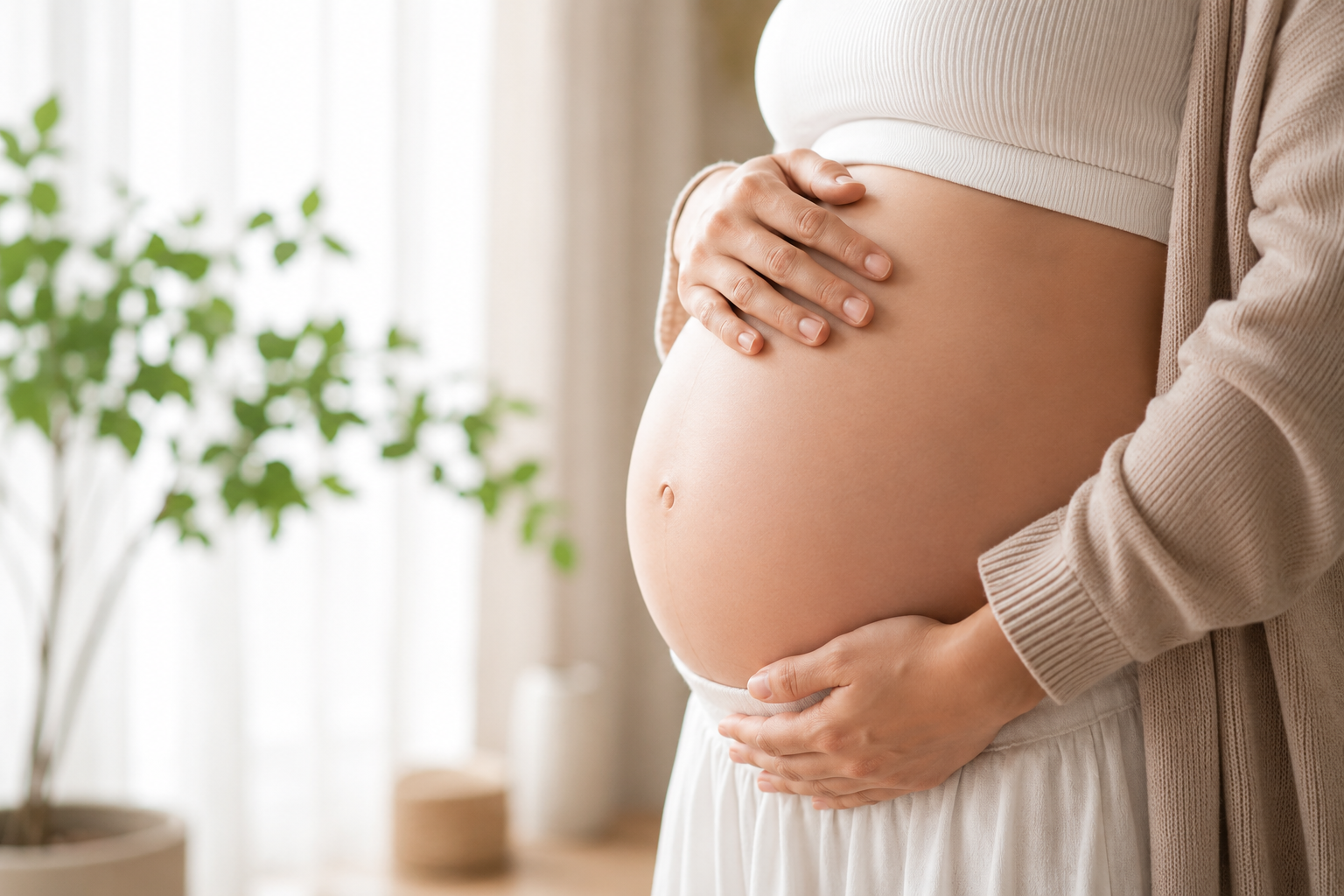
Pregnancy changes your body in many ways, and your belly is no exception.
Even months after giving birth, you may notice that your tummy still looks or feels different. Perhaps there’s a persistent bulge around your belly button, your core doesn’t feel as strong as it used to, or you notice a ridge down the middle of your abdomen when you sit up.
These changes can be part of normal postpartum recovery. But in some women, they may also be signs of diastasis recti, sometimes referred to as abdominal separation.
So, how can you tell if you may have diastasis recti after pregnancy?
Here are five signs to look out for, plus what you should know about assessment and postpartum recovery.
What Is Diastasis Recti?
Diastasis recti, or rectus diastasis, occurs when the two sides of the rectus abdominis muscles become separated along the middle of the abdomen.
During pregnancy, the growing uterus and changes in the abdominal wall place increasing tension on the tissues between these muscles, including the linea alba. This allows the abdominal wall to accommodate the growing baby.
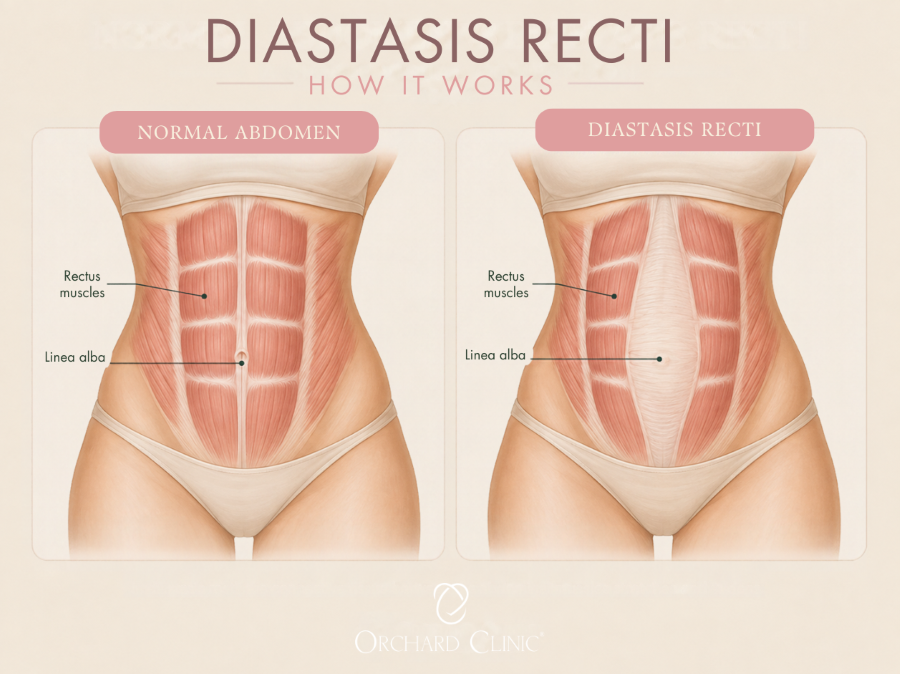
Some degree of separation is common during pregnancy and the early postpartum period. For many women, the distance between the abdominal muscles decreases as the body recovers after childbirth. However, some women continue to have a noticeable separation or changes in abdominal wall function after pregnancy.
Importantly, diastasis recti isn’t simply about how your stomach looks. Some women experience changes in core function or stability, while others may have few symptoms beyond a visible change in their abdomen.
5 Signs You May Have Diastasis Recti After Pregnancy
1. Your Abdomen Still Looks Rounded or Bulges Out
One of the more noticeable signs of diastasis recti can be a persistent bulge or rounded appearance around the middle of your abdomen.
You may notice that your stomach continues to protrude, particularly around the belly button, even as other aspects of your postpartum body gradually change.
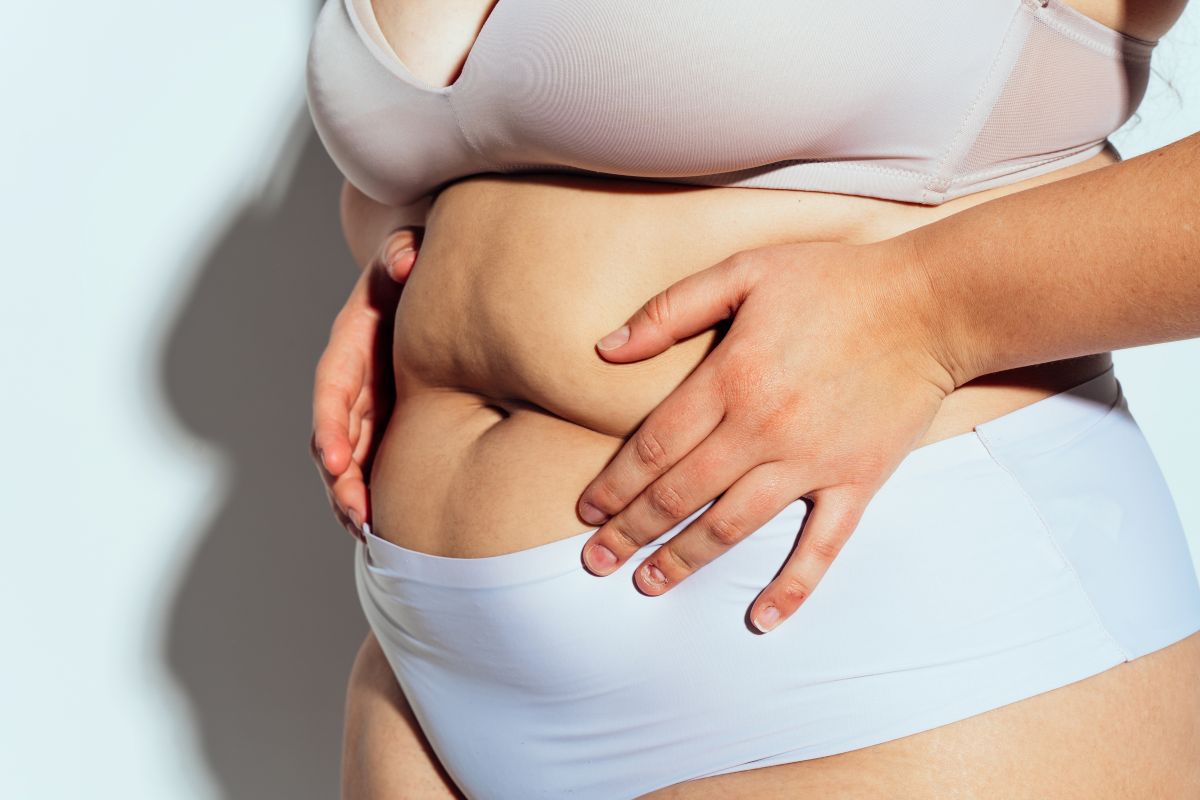
But it’s important not to assume that a postpartum belly automatically means you have diastasis recti.
Changes in body composition, stretched skin, posture, muscle tone and normal postpartum recovery can all affect the appearance of your abdomen. Diastasis recti can also occur alongside changes in body weight or body fat.
In other words, the appearance of your stomach alone cannot confirm diastasis recti.
2. You Notice “Doming” or “Coning” Along the Middle of Your Abdomen
Another sign you may notice is a ridge, bulge or “dome” appearing along the centre of your abdomen when you contract your abdominal muscles.
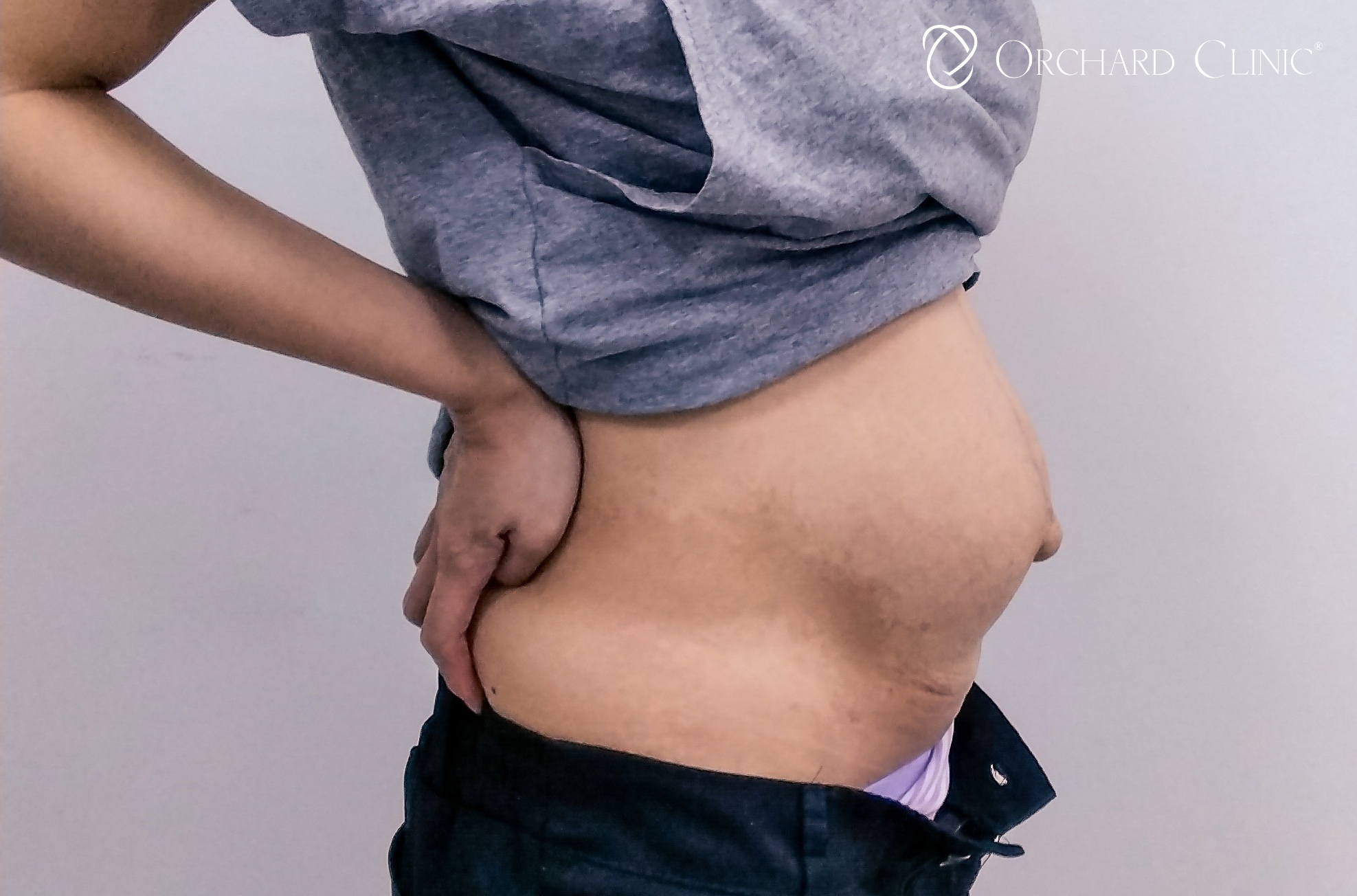
This may be more noticeable when:
- Getting up from lying down
- Sitting up in bed
- Performing certain abdominal exercises
- Leaning backwards
- Coughing or straining
This happens because changes in the abdominal wall can affect how pressure is distributed through the abdomen.
However, seeing some movement or bulging does not automatically mean you have diastasis recti. If you consistently notice prominent doming or coning, particularly alongside other symptoms, it may be worth having your abdominal wall assessed.
3. Your Core Feels Weaker Than It Did Before Pregnancy
You may feel that your core isn’t providing the same support it once did.
For example, you might notice that:
- Certain movements feel more difficult
- Your abdomen feels less stable during exercise
- You have difficulty engaging your abdominal muscles
- Returning to previous workouts feels different
- Everyday movements such as lifting or getting up feel less comfortable
Core weakness isn’t unique to diastasis recti. Pregnancy, childbirth, reduced activity and the physical demands of caring for a newborn can all affect strength and conditioning of your core.
Still, changes in abdominal function can be relevant when assessing rectus diastasis, so persistent changes in how your core feels are worth discussing with a healthcare professional.
4. Your Abdomen Feels Soft or Different Along the Midline
Some women notice a softer or less supported feeling along the middle of their abdomen, particularly around the belly button.
You may also be able to feel a space between the two sides of your abdominal muscles when they are contracted.
This relates to changes in the width and tension of the linea alba between the two rectus muscles that has weakened after childbirth. The amount of separation can vary depending on where it is measured and whether the muscles are relaxed or contracted.
However, being able to feel a gap does not automatically mean you have clinically significant diastasis recti.
You may have come across the idea that a certain number of “finger widths” can tell you whether you have diastasis recti. In reality, clinical assessment is more comprehensive. Measurement techniques and diagnostic thresholds may vary, which is why a home check should not be treated as a definitive diagnosis.
5. Your Abdominal Wall Feels Different During Movement or Exercise
Some women become aware of changes in their abdominal wall when they start returning to exercise after pregnancy.
You might notice:
- Your abdomen domes during certain movements
- Your core feels less stable
- Certain exercises feel different from before pregnancy
- You have difficulty controlling your abdominal wall during movement
Some women automatically think this means that exercise is harmful for if you have diastasis recti, however this is not the case.
In fact, recent research suggests that structured postpartum abdominal exercise can actually reduce the distance between the rectus muscles in some women. However, studies have used a wide variety of exercise programmes, and the evidence does not currently establish one universally effective exercise programme for everyone with diastasis recti. Most often it is a combination of core and abdomen exercises which supports the strength and conditioning of that whole area.
The goal should therefore be to return to movement progressively and appropriately for your individual recovery, rather than avoiding exercise altogether.
How Can You Tell If You Have Diastasis Recti?
If you’ve noticed some of these signs, you may be wondering:
“How do I know if I actually have diastasis recti?”
A basic self-check can give you an indication of what’s happening, but it shouldn’t be treated as a diagnosis.
Healthcare professionals can assess the abdominal wall by looking at factors such as the distance between the rectus muscles, the tension of the linea alba and how the abdominal wall functions during movement.
Different measurement methods can produce different results, which is one reason there isn’t a single universally accepted way to diagnose diastasis recti based on a home measurement alone.
If you’re unsure whether what you’re experiencing is normal postpartum recovery or diastasis recti, a professional assessment can give you a clearer picture.
Is Diastasis Recti Normal After Pregnancy?
Diastasis recti is common during pregnancy and the postpartum period.
How common it is depends partly on when women are assessed and how diastasis recti is defined and measured. Research has reported substantially different prevalence rates across pregnancy and the postpartum period for these reasons.
What this means for you is that there isn’t one universal timeline for postpartum abdominal recovery.
Your body can continue changing for months after childbirth. Having some abdominal separation during the postpartum period does not automatically mean something is wrong or that you have failed to “recover” properly.
And importantly, there is no need to compare your recovery timeline with someone else’s.
What Helps With Diastasis Recti After Pregnancy?
If you have diastasis recti, the right approach depends on your symptoms, abdominal wall function and individual circumstances.
Postpartum rehabilitation may include abdominal muscle training, breathing and pressure-management strategies, pelvic floor exercises, pelvic floor treatments and functional movement.
Research suggests that structured postpartum exercise can reduce inter-rectus distance, although the certainty and consistency of the evidence vary between studies. A 2025 systematic review and meta-analysis found low certainty evidence that postpartum abdominal muscle training can reduce inter-rectus distance, while evidence for the overall effect on diastasis recti and related symptoms remains limited.
More recent reviews published in 2026 have also found reductions in inter-rectus distance with structured exercise, while noting that anatomical improvement does not necessarily translate into better functional outcomes.
With advances in medical technology, treatments such as Emsella and PELVA (Singapore’s First and Only PELVA machine is available in Orchard Clinic) have become increasingly popular options for women looking to address postpartum concerns such as urinary incontinence and vaginal laxity, which can occur after childbirth.
This is why treatment shouldn’t be based purely on trying to “close the gap” or to “fix it visually”.
A more useful approach is to consider the whole picture: how your body functions, whether you have symptoms, how you’re moving and what your postpartum goals are.
Can Diastasis Recti Go Away on Its Own After Pregnancy?
In many cases, the separation between the abdominal muscles naturally decreases during pregnancy recovery and the early postpartum period. However, recovery varies from person to person, and some women may continue to experience a noticeable separation or changes in abdominal wall function. If you’re concerned about persistent symptoms or how your core feels after pregnancy, a professional assessment can help determine what’s happening and whether any further support may be helpful.
When Should You See a Professional?
Consider getting assessed if you:
- Notice persistent abdominal bulging or doming
- Feel that your core remains weak or unstable
- Are unsure whether you have diastasis recti
- Are finding it difficult to return to exercise
- Have ongoing discomfort or concerns about your postpartum recovery
A healthcare professional can assess your symptoms and abdominal wall and determine whether further evaluation or rehabilitation may be appropriate.
You also don’t have to wait until something feels seriously wrong before asking for help.
Sometimes an assessment simply gives you reassurance and a clearer understanding of what your body is doing during postpartum recovery.
Supporting Your Postpartum Recovery
Your postpartum recovery is much more than how quickly your stomach looks like it did before pregnancy.
Your body has spent months adapting to pregnancy and childbirth, and recovery doesn’t happen on a fixed schedule.
If you’ve noticed abdominal bulging, doming, weakness or other changes after giving birth, you don’t have to work it out on your own.
At Orchard Clinic, we believe every mother’s recovery journey deserves personalised care and evidence-based support. That’s why we combine comprehensive assessments with tailored treatment plans, using advanced technologies such as EMSELLA® (for managing urinary leakages), EMBODY® (for post pregnancy tummy), Exilis (for vaginal rejuvenation) and PELVA (assisted Kegel Technology, only one in Singapore), we have supported more than 4,500 women on their postpartum journeys. Our experienced team focuses on helping you rebuild pelvic floor strength, improve core function, and regain confidence, so you don’t have to navigate recovery on your own.
If you’re concerned about diastasis recti or simply want to better understand the changes you’re experiencing after pregnancy, our team can help you explore whether a postpartum assessment or appropriate care may be right for you.
Your body has been through a lot. Give it the time, care and support it deserves.
Book An Appointment
Latest Articles

Parkway Parade
| Tue, Fri & Sat | 9:00AM – 6:00PM |
| Mon, Wed, Thu, Sun & PH | Closed |
Orchard
| Mon, Fri & Sat | 9:00AM – 6:00PM |
| Tue, Wed & Thu | 9:00AM – 8:00PM |
| Sun & PH | Closed |
Copyright © 2025 Orchard Clinic. All Rights Reserved. Privacy Policy