
C-Section Recovery Isn’t Just About the Scar: The Hidden Layers of Healing
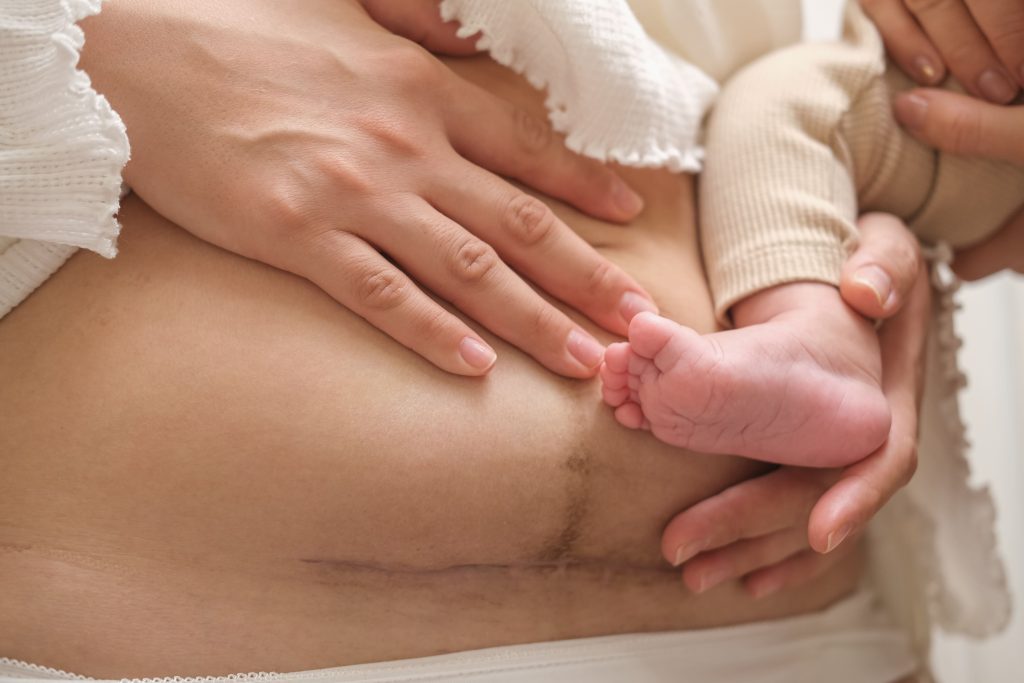
If you’ve had a caesarean birth, you’ve likely been told to rest, watch your scar, and avoid heavy lifting. And while these are important early steps, many mothers soon realise something deeper: healing from a C-section isn’t just about the scar on the skin.
Weeks or even months after delivery, it’s common to feel lingering discomfort, stiffness or weakness—especially in the lower tummy. Some notice a persistent bulge. Others feel disconnected from their core or experience subtle pain that never fully goes away.
At Orchard Clinic, we see many women in Singapore who had a smooth surgical experience but still feel that something isn’t quite right. That’s because the C-section scar is only one layer of the story. The rest lies beneath.
1. The Deeper Layers Affected by a C-Section
During a caesarean, multiple layers of tissue are cut—not just the skin, but also fat, fascia, abdominal muscles and the uterus. While the scar you see may fade, healing must also happen deep within.
Here’s what often gets missed:
- Fascial tension or adhesions can limit mobility and cause a pulling sensation.
- Core muscle weakness from being separated and stretched can affect strength and posture.
- Disrupted neuromuscular control makes it harder to engage your lower abs properly.
- C-section shelf or tummy bulge may persist due to unresolved muscle separation (diastasis recti) and lingering inflammation.
These are not cosmetic concerns—they affect how your body functions, moves and feels.
2. Scar Care Isn’t Just About Appearance
Many women are told to massage the scar or use creams to reduce pigmentation. But what’s equally important is understanding:
- How well the tissue beneath has healed
- Whether you have numbness, tightness, or altered sensation
- If the scar is affecting your ability to move or engage your core
In some cases, women avoid touching or using their lower core for months, leading to delayed recovery and compensations elsewhere in the body.
3. Why Some Women Experience Tummy Bulge or Weakness
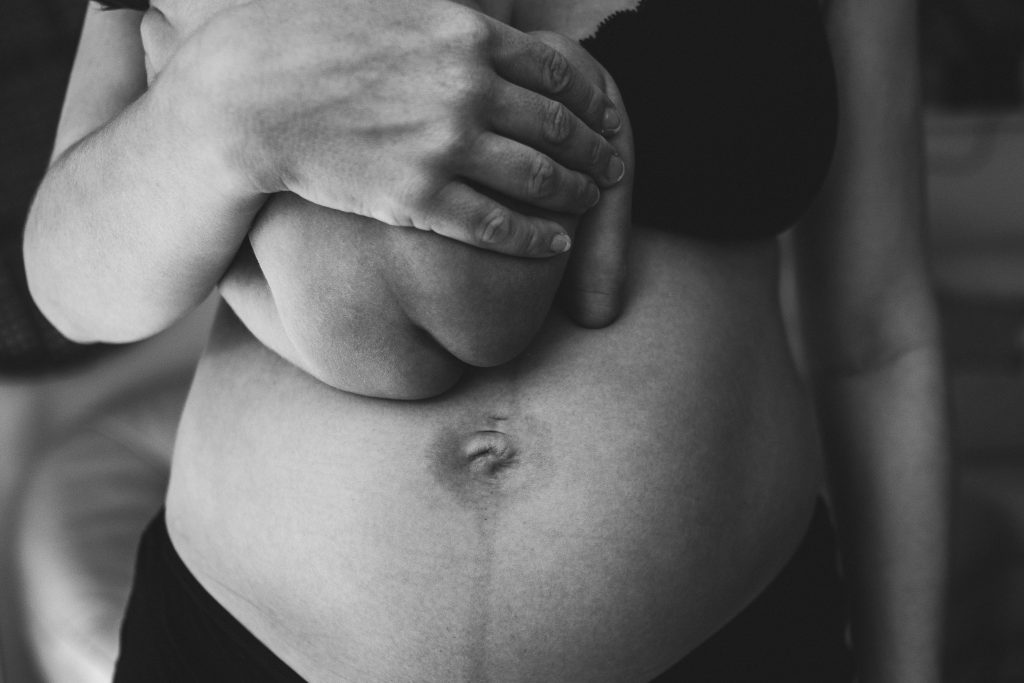
If your tummy hasn’t flattened, even with diet and exercise, it may not be fat. It could be:
- Diastasis recti (abdominal separation) that hasn’t closed
- Poor coordination between your core and pelvic floor
- Over-reliance on upper abs or back muscles while the lower core stays inactive
And it’s not about effort—many mummies are doing their best. It’s about knowing what your body needs to rebuild, not just tone.
4. How Orchard Clinic Supports C-Section Recovery
We begin with a core and scar review—to understand what’s working, what’s restricted, and how your muscles are activating.
Depending on your needs, we may recommend:
- Embody to stimulate deep muscle contractions and reconnect your core from within
- Floorwork to restore safe movement and build real-time awareness of your posture and alignment
- Pelvic floor integration, especially if you also experience leaks or heaviness
This isn’t a one-size-fits-all protocol. It’s a gradual, layered approach that meets your body where it is—weeks, months or even years after surgery.
You Don’t Need to Settle for ‘Healed Enough’
If you’ve been told that everything looks fine but still feel weak, sore or unsure—it’s worth getting a second look. At Orchard Clinic, we support Singaporean women through the real layers of C-section recovery—so that you’re not just healed on paper, but comfortable and confident in your body again.
Book An Appointment
Latest Articles

Parkway Parade
| Tue, Fri & Sat | 9:00AM – 6:00PM |
| Mon, Wed, Thu, Sun & PH | Closed |
Orchard
| Mon, Fri & Sat | 9:00AM – 6:00PM |
| Tue, Wed & Thu | 9:00AM – 8:00PM |
| Sun & PH | Closed |
Copyright © 2025 Orchard Clinic. All Rights Reserved. Privacy Policy