
10 Things to Know About Your Postpartum Recovery Journey
Bringing a new born baby into the world is a remarkable experience, but many people often give little thought to their postpartum recovery journey. As you adjust to life with your newborn, your body and mind are both working hard to recover from pregnancy and childbirth.
While every mother’s experience is different, understanding what to expect can help you feel more prepared, reassured, and confident during this stage of life. Whether you’ve had a vaginal birth or a Caesarean section, recovery takes time. It’s important to give yourself the care and support you deserve.
Here are 10 important things every new mum should know about the postpartum recovery journey.
1. Every Postpartum Recovery Journey Is Different
No two mothers recover in exact the same way. Factors such as your pregnancy, labour and delivery experience, overall health, support system, and lifestyle all effect how your body heals. It can be tempting to compare your recovery with friends, family members, or even what you see on social media.
However, every postpartum journey is unique. Instead of focusing on how quickly someone else seems to recover, pay attention to your own progress and listen to your own body when it comes to postpartum recovery.
2. Recovery Takes Longer Than Six Weeks
Many people assume that once you’ve had your six-week postnatal check-up, you’re fully recovered. In reality, postpartum healing often continues well beyond six weeks. Your muscles, ligaments, pelvic floor, hormones, and emotional wellbeing all need time to recover. For some mothers, this may take several months, particularly after a complicated birth or Caesarean section. Recovery isn’t about “bouncing back”, it’s about gradually regaining your strength and adjusting to your new normal.
Even after months and years, many people still see the effects of childbirth. This could appear in conditions like Diastasis Recti, Urinary Incontinence or generally weakened core and pelvic muscles. The good news? There are many solutions in the market for recovery.
3. Physical Changes Are a Normal Part of Healing
During the first few weeks after childbirth, it’s normal to experience a range of physical changes as your body heals.
These may include:
- Vaginal bleeding (lochia)
- Uterine cramping as your uterus returns to its pre-pregnancy size
- Perineal discomfort or Caesarean incision tenderness
- Breast fullness or discomfort as milk production begins
- Fatigue and low energy
- Mild swelling in your hands, feet, or legs
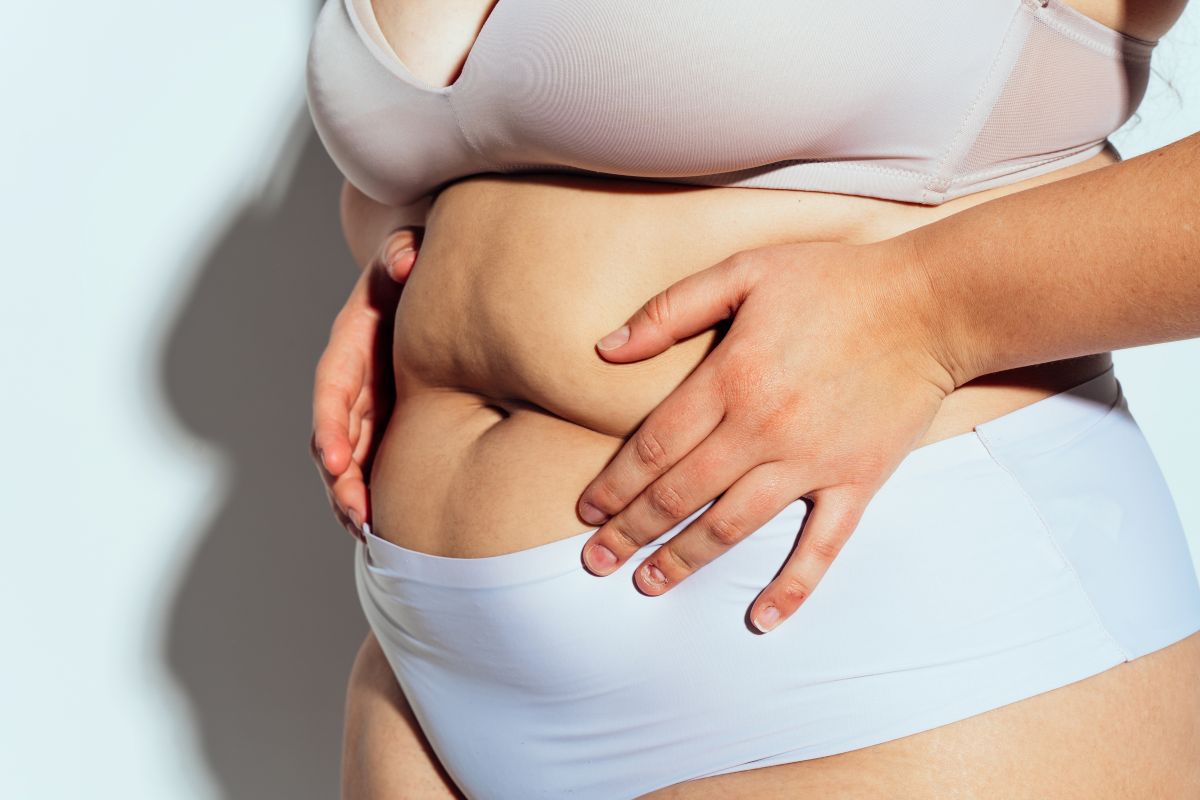
- Diastasis Recti, or “Mummy Tummy”
Most of these symptoms improve over time. And there are therapies like EMBODY® and EMSELLA® to accelerate the recovery process.
However, if you experience severe pain, heavy bleeding, fever, or signs of infection, seek medical attention promptly.
4. Your Pelvic Floor Needs Care Too
Pregnancy and childbirth place significant strain on your pelvic floor muscles. As a result, some women experience symptoms such as urinary leakage, a feeling of heaviness, or reduced core stability after giving birth.
Gentle pelvic floor exercises and kegels, when appropriate, can help rebuild strength and improve function. If symptoms persist or interfere with your daily life, seeking guidance from a qualified postpartum healthcare professional or physiotherapist can make a meaningful difference.
Remember, pelvic floor concerns are common, but they shouldn’t simply be accepted as “part of motherhood.”
5. Good Nutrition Supports Your Recovery
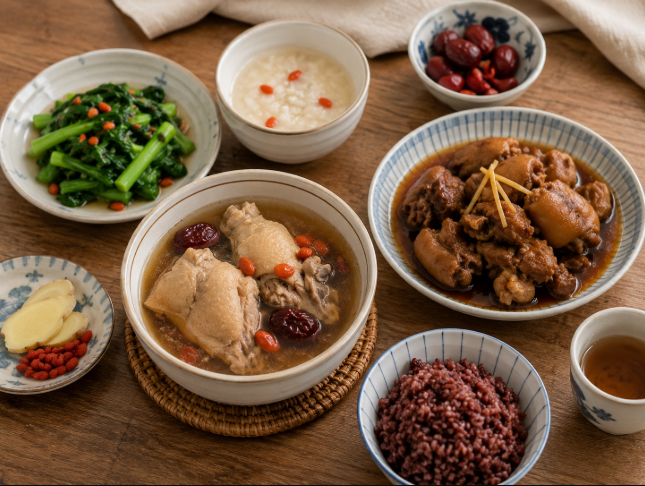
Your body needs plenty of nutrients to repair tissues, restore energy, and support breastfeeding if you choose to breastfeed.
During the recovery period, it is especially important to have foods that aim to include:
- Protein-rich foods to support healing
- Iron-rich foods to replenish iron stores after childbirth
- Fibre to help prevent constipation
- Plenty of fruits and vegetables for essential vitamins and minerals
- Adequate fluids to stay hydrated
Eating regular, balanced meals can help you feel more energised while supporting your body’s natural recovery process.
6. Rest Is an Essential Part of Healing
Many underestimate the toll our body takes from the lack of sleep on your postpartum recovery journey. Looking after a newborn can make proper rest feel impossible, but it is important to prioritise rest and recovery.
Whenever possible:
- Rest when your baby is sleeping
- Accept help from family and friends
- Avoid lifting heavy objects
- Pace yourself throughout the day
Resting is not a sign of weakness, it’s an essential part of becoming well again, and makes you stronger in a long run.
7. Your Emotional Wellbeing Is Just as Important
Postpartum recovery isn’t only physical. Hormonal changes, lack of sleep, and the transition into parenthood can all affect your emotions. Many mothers experience the “baby blues” during the first few days after birth. However, if feelings of sadness, anxiety, hopelessness, or overwhelm continue for more than two weeks or begin affecting your ability to care for yourself or your baby, it’s important to seek professional support. Looking after your mental health is an important part of your overall recovery.
8. Gentle Movement Can Help You Recover
Once you’ve been advised it’s safe to do so, gentle movement can support circulation, reduce stiffness, and improve your overall wellbeing.
Simple activities such as:
- Short walks
- Gentle stretching
- Deep breathing exercises
- Pelvic floor exercises
can help you gradually regain strength without placing unnecessary stress on your body.
Always listen to your body and avoid rushing back into high-impact exercise before you’re ready.
9. Know When to Seek Medical Advice
While many postpartum symptoms are part of normal healing, some require prompt medical attention.
Contact your healthcare provider if you experience:
- Heavy bleeding that soaks through a pad within an hour
- Fever or chills
- Severe or worsening pain
- Redness, swelling, or discharge from a wound
- Chest pain or difficulty breathing
- Persistent feelings of sadness, anxiety, or hopelessness
Early assessment can help prevent complications and ensure you receive the care you need.
10. You Don’t Have to Do It Alone
Recovery is easier when you have support. Whether it’s your partner, family, friends, healthcare provider, or a postpartum wellness team, asking for help is a positive step towards healing. Postpartum care isn’t only about treating problems, it’s about helping you recover confidently, regain your strength, and feel supported throughout your journey into motherhood.
At Orchard Clinic, we believe every mother’s recovery journey deserves personalised care and evidence-based support. That’s why we combine comprehensive assessments with tailored treatment plans, using advanced technologies such as EMSELLA® (for managing urinary leakages), EMBODY® (for post pregnancy tummy), Exilis (for vaginal rejuvenation) and PELVA (assisted Kegel Technology, only one in Singapore), we have supported more than 4,500 women on their postpartum journeys. Our experienced team focuses on helping you rebuild pelvic floor strength, improve core function, and regain confidence, so you don’t have to navigate recovery on your own.
Final Thoughts
The postpartum recovery journey is different for every mother, and there is no single timeline for healing. Your body has gone through an incredible transformation, and it deserves patience, kindness, and proper care. By understanding what to expect, prioritising your physical and emotional wellbeing, and reaching out for support when needed, you can navigate this season with greater confidence.
If you have questions about your recovery or would like personalised guidance, consider speaking with a qualified postpartum healthcare professional here at Orchard Clinic.
Early support can make a meaningful difference in helping you recover comfortably and return to the activities you enjoy.
Book An Appointment
Latest Articles
Parkway Parade
| Tue, Fri & Sat | 9:00AM – 6:00PM |
| Mon, Wed, Thu, Sun & PH | Closed |
Orchard
| Mon, Fri & Sat | 9:00AM – 6:00PM |
| Tue, Wed & Thu | 9:00AM – 8:00PM |
| Sun & PH | Closed |
Copyright © 2025 Orchard Clinic. All Rights Reserved. Privacy Policy